Between 2016 and 2020 I studied the Bachelor of Engineering in Telecommunication Technologies and Services (Grado en Ingeniería de Tecnologías y Servicios de Telecomunicación) at the ETSIT — the School of Telecommunication Engineering of the Universidad Politécnica de Madrid (UPM). It is a 4-year, 240 ECTS degree (Plan 2010) accredited by ABET, and it qualifies graduates for the regulated profession of Technical Telecommunication Engineer — with a final-year itinerary that lets you specialise in Telecommunication Systems, Telematics, Electronic Systems, or Sound & Image. I graduated with an 8.1/10 average and 13 subjects with honors, having specialised in Electronic Systems. Entre 2016 y 2020 cursé el Grado en Ingeniería de Tecnologías y Servicios de Telecomunicación en la ETSIT — la Escuela de Ingeniería de Telecomunicación de la Universidad Politécnica de Madrid (UPM). Es un grado de 4 años (240 ECTS, Plan 2010) acreditado por ABET, que habilita para la profesión regulada de Ingeniero Técnico de Telecomunicación — con mención en Sistemas de Telecomunicación, Telemática, Sistemas Electrónicos o Sonido e Imagen. Me gradué con 8,1/10 de media y 13 matrículas de honor, especializado en Sistemas Electrónicos.
Looking back, the degree was a slow but very deliberate build-up: four years of stacking layers — from pure mathematics to transistors to antenna theory to actual embedded systems — until the pieces finally clicked together in the final-year projects and the thesis. Here is roughly how it went. En retrospectiva, la carrera fue una construcción lenta pero muy deliberada: cuatro años apilando capas — de la matemática pura a los transistores, la teoría de antenas y los sistemas embebidos — hasta que las piezas encajaron en los proyectos de fin de curso y el TFG. Así fue, más o menos.
📸 Scenes from the degree📸 Escenas de la carrera
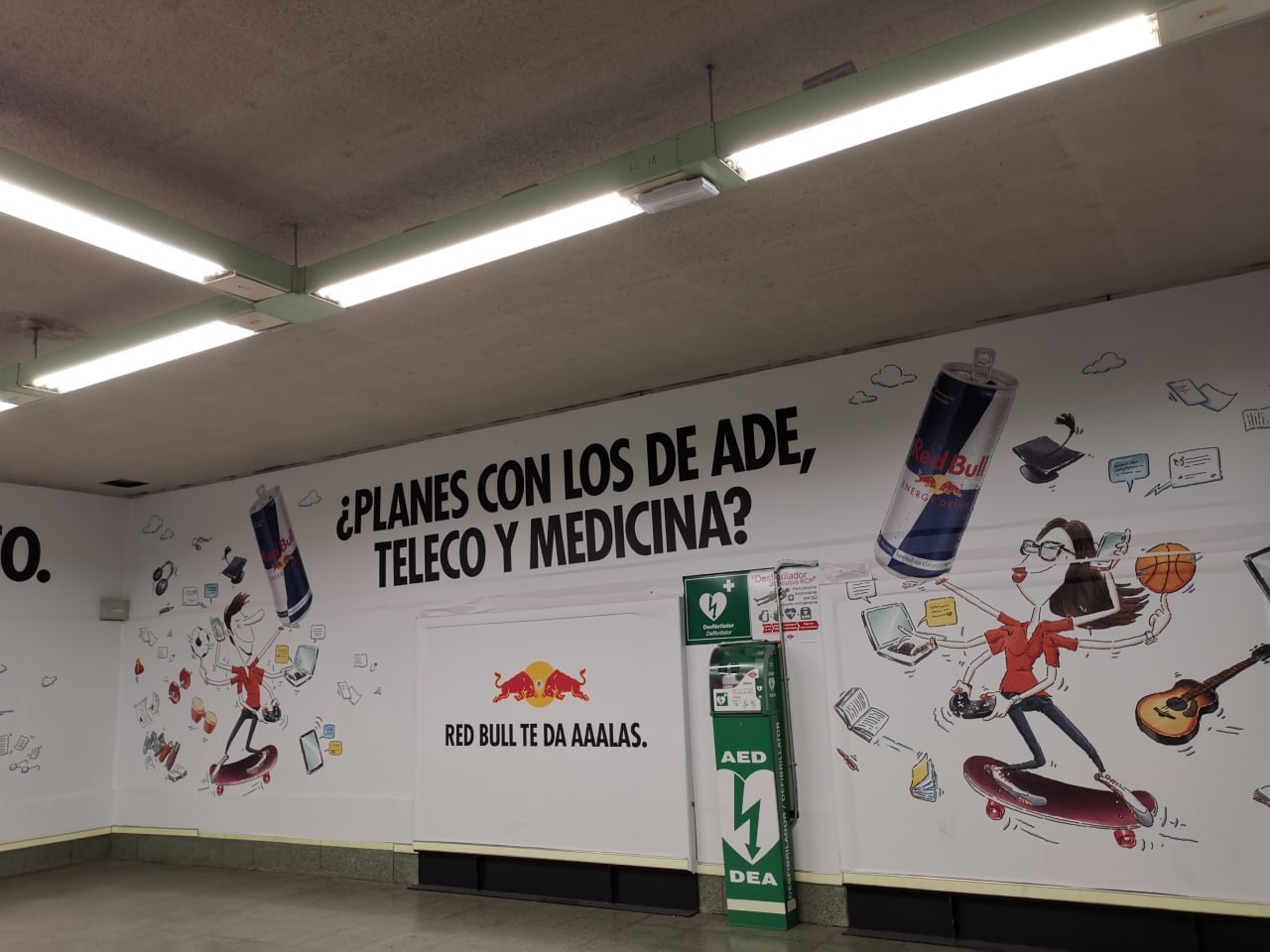
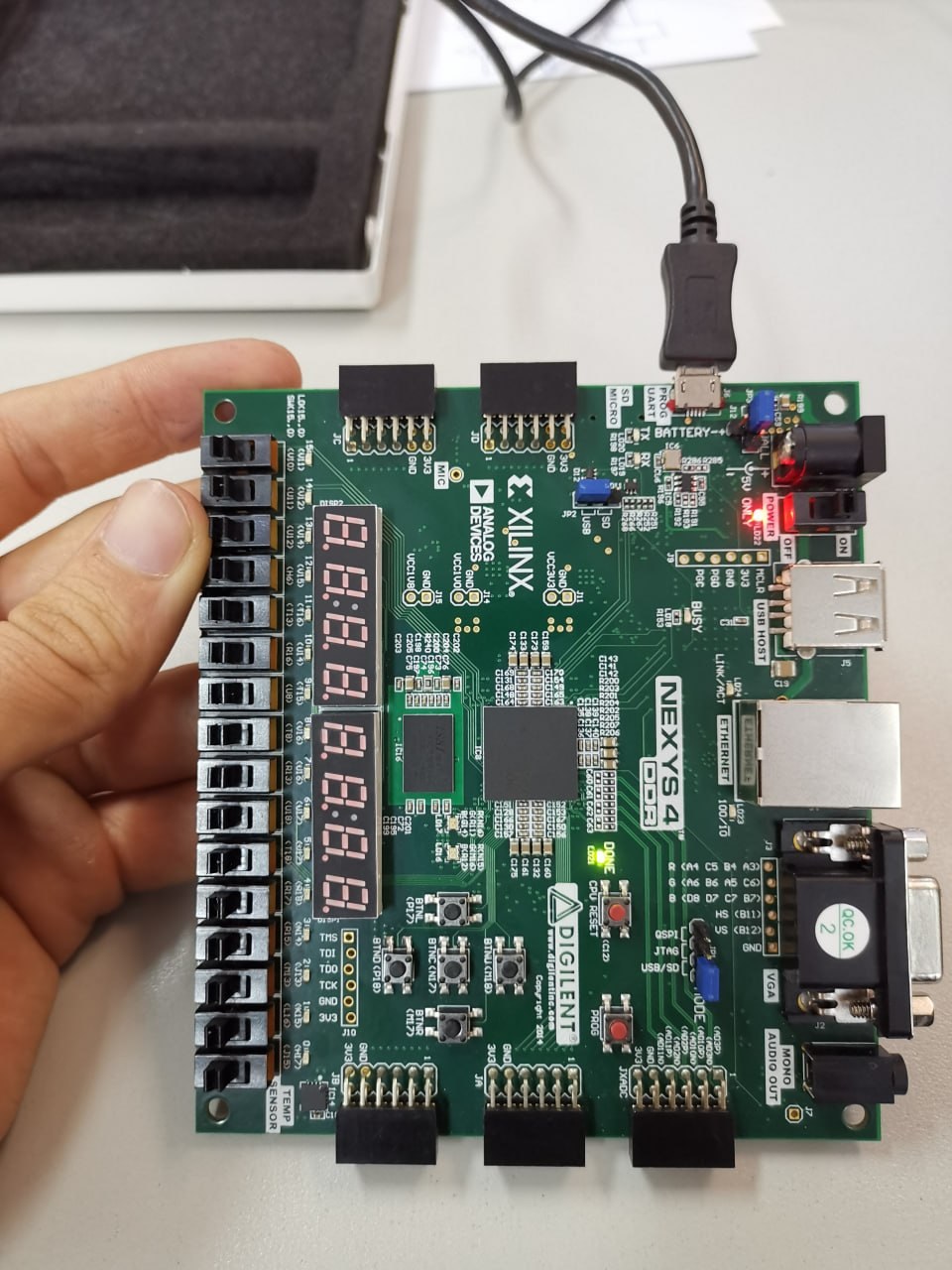
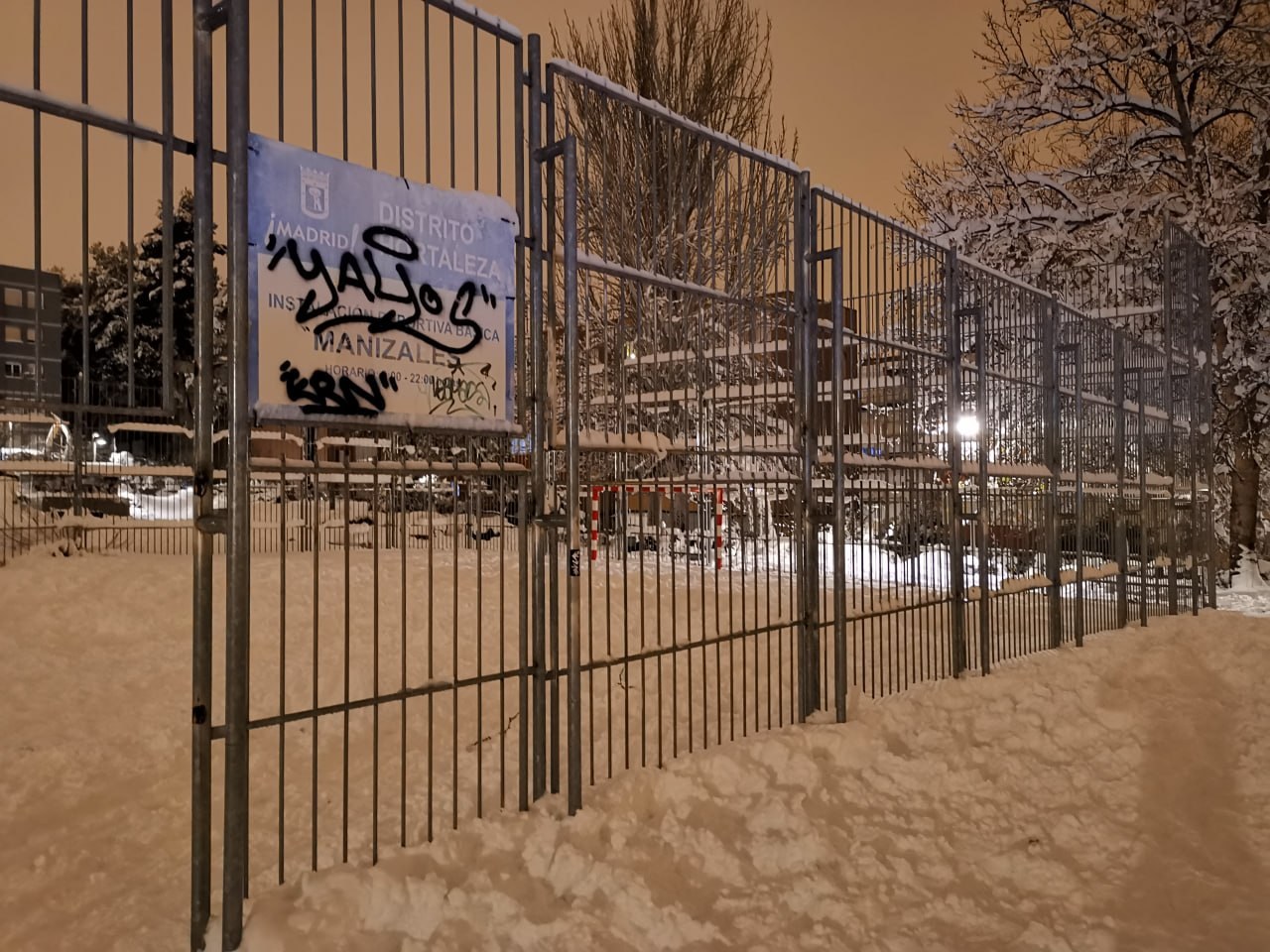
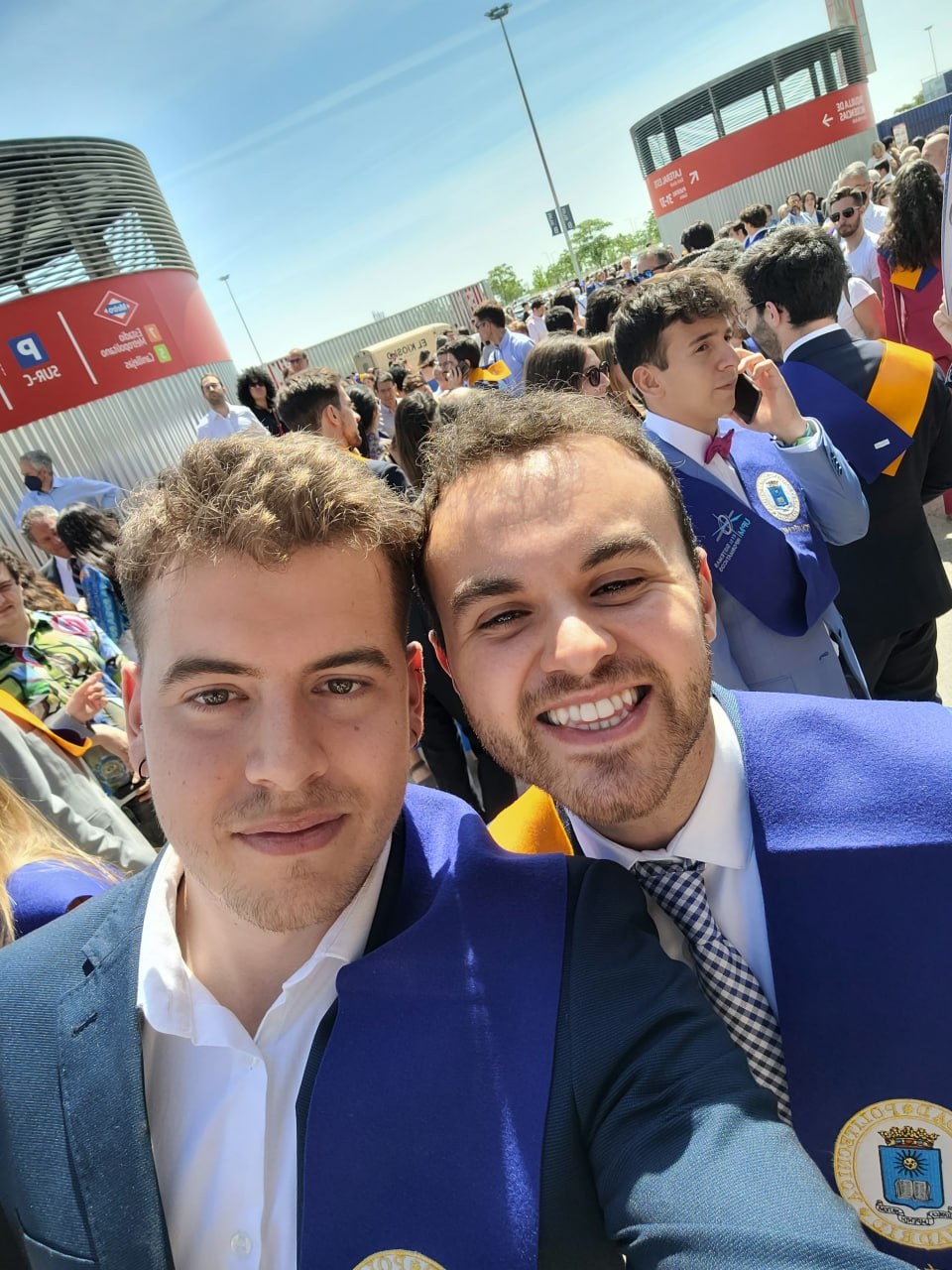
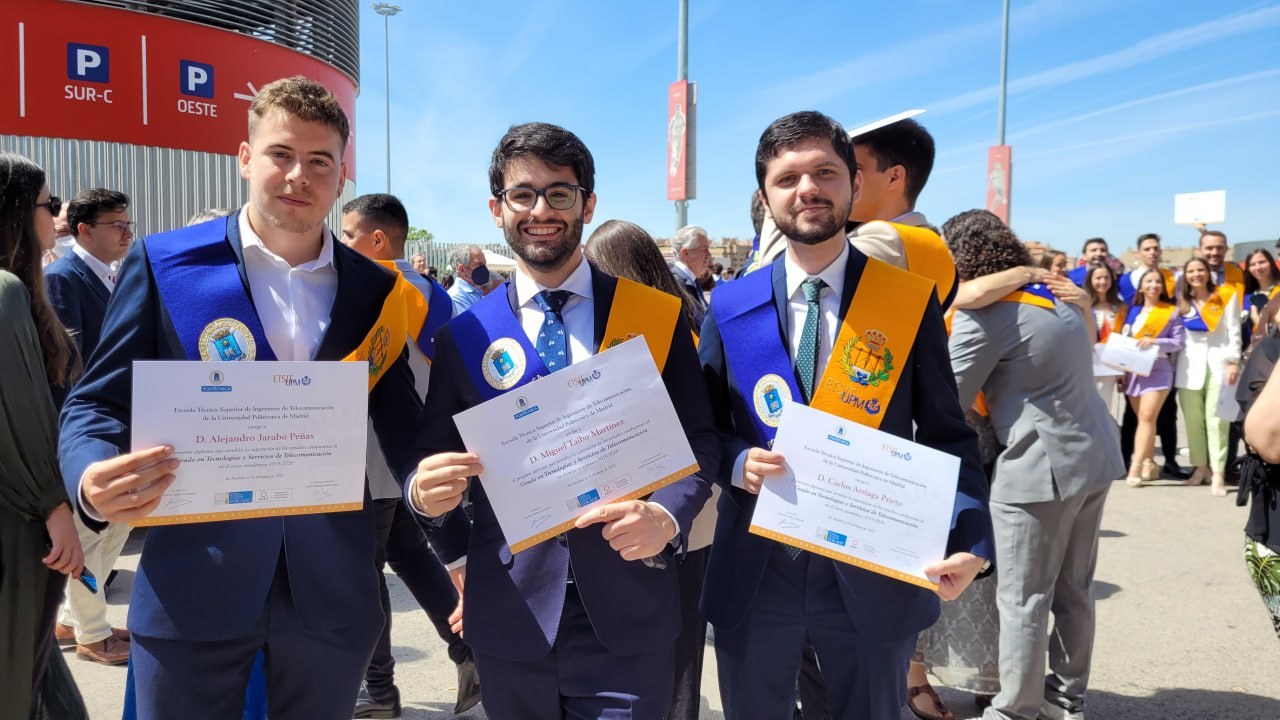
Four years of Madrid: metro rides between campus and city, FPGA labs, snow-covered basketball courts — and the graduation day with my classmates Miguel Taibo and Carlos Arriaga. The ceremony itself came later than the degree: #UPMDay22, held at the Wanda Metropolitano (Atlético de Madrid) stadium in May 2022, where UPM finally handed diplomas to more than 15,000 graduates of the pandemic promotions (2019/20 and 2020/21) whose ceremonies had been cancelled. Cuatro años de Madrid: viajes de metro entre campus y ciudad, laboratorios de FPGA, canchas de baloncesto nevadas — y el día de graduación con mis compañeros Miguel Taibo y Carlos Arriaga. La ceremonia llegó después del título: #UPMDay22, celebrado en el Wanda Metropolitano (Atlético de Madrid) en mayo de 2022, donde la UPM entregó los diplomas a más de 15.000 graduados de las promociones de la pandemia (2019/20 y 2020/21) cuyas ceremonias se cancelaron.
🥇 First year: the mathematical toolbox🥇 Primer curso: caja de herramientas
The first year is almost entirely foundations: Álgebra, Cálculo, Análisis Vectorial and Métodos Matemáticos, two semesters of Física General, plus Introducción al Análisis de Circuitos and Introducción a la Electrónica. What made it feel like engineering from day one was Programación — the degree starts with C, not Python — and Fundamentos de los Sistemas Telemáticos, which introduced networks and protocols before you even know what a modem is. By the end of year one you can solve circuits, write C, and explain how data crosses the internet. El primer curso es casi todo base: Álgebra, Cálculo, Análisis Vectorial y Métodos Matemáticos, dos semestres de Física General, además de Introducción al Análisis de Circuitos e Introducción a la Electrónica. Lo que lo hacía sentir ingeniería desde el primer día era Programación — el grado empieza con C, no con Python — y Fundamentos de los Sistemas Telemáticos, que introducía redes y protocolos antes de saber siquiera qué es un módem. Al acabar el primer año resuelves circuitos, escribes C y explicas cómo cruzan los datos internet.
🥈 Second year: signals, circuits and the physics of communication🥈 Segundo curso: señales, circuitos y física de la comunicación
Year two is where the degree gets its identity. Señales y Sistemas and Señales Aleatorias teach you to think in frequency and probability — concepts that would later be central to my thesis work on anomaly detection. Electromagnetismo and Campos y Ondas explain how signals physically propagate, Teoría de la Comunicación formalises how information survives noise, and Electrónica Digital plus Electrónica Analógica put real components in your hands. Redes y Servicios de Telecomunicación and Análisis y Diseño del Software round out the networking and programming side. This is also the year I first used tools like MATLAB for signal simulation — a taste of what computational engineering feels like. El segundo curso es cuando el grado cobra identidad. Señales y Sistemas y Señales Aleatorias te enseñan a pensar en frecuencia y probabilidad — conceptos luego centrales en mi tesis sobre detección de anomalías. Electromagnetismo y Campos y Ondas explican la propagación física de las señales, Teoría de la Comunicación formaliza cómo sobrevive la información al ruido, y Electrónica Digital y Analógica ponen componentes reales en tus manos. Redes y Servicios de Telecomunicación y Análisis y Diseño del Software completan el lado de redes y programación. También es el año en que usé por primera vez MATLAB para simular señales — un adelanto de la ingeniería computacional.
🥉 Third year: the heart of the degree🥉 Tercer curso: el corazón del grado
The third year is where everything connects. Sistemas Digitales I & II introduce digital design and FPGAs — and Sistemas Digitales II is where I built my favourite course project, the Tricycle Tank, a Raspberry Pi laser-combat game with four parallel state machines, an Xbox controller bridge and a servoed laser turret. Meanwhile Tratamiento Digital de Señales, Teoría de la Información and Sistemas de Transmisión cover the signal-processing core; Redes de Ordenadores and Computación en Red go deep into protocols; Comunicaciones Ópticas, Radiación y Propagación and Circuitos Electrónicos round out the physical layer. El tercer curso es donde todo conecta. Sistemas Digitales I & II introducen el diseño digital y las FPGAs — y en Sistemas Digitales II construí mi proyecto favorito, el Tricycle Tank, un juego láser con Raspberry Pi, cuatro máquinas de estados en paralelo, un puente con mando de Xbox y una torreta láser servo. Mientras, Tratamiento Digital de Señales, Teoría de la Información y Sistemas de Transmisión cubren el núcleo de procesado de señal; Redes de Ordenadores y Computación en Red profundizan en protocolos; Comunicaciones Ópticas, Radiación y Propagación y Circuitos Electrónicos completan la capa física.
🎓 Fourth year: specialisation and the thesis🎓 Cuarto curso: especialización y la tesis
The final year is about choosing a path. Depending on the itinerary you take courses such as Microondas, Antenas, Comunicaciones Móviles and Radiocomunicaciones (Telecommunication Systems); Seguridad en Redes, Ingeniería Web and Centros de Datos (Telematics); Arquitectura de Procesadores and Sistemas Electrónicos de Control (Electronic Systems); or Televisión and Tratamiento Digital de Imágenes (Sound & Image). I chose the Electronic Systems itinerary — including Diseño de Sistemas Electrónicos Digitales, Arquitectura de Procesadores, Sistemas Electrónicos de Control, Instrumentación Electrónica and Sistemas para Conectividad — a natural home for someone who had fallen in love with digital design and embedded systems. And then comes the Trabajo Fin de Grado. El último curso va de elegir camino. Según la mención cursas asignaturas como Microondas, Antenas, Comunicaciones Móviles y Radiocomunicaciones (Sistemas de Telecomunicación); Seguridad en Redes, Ingeniería Web y Centros de Datos (Telemática); Arquitectura de Procesadores y Sistemas Electrónicos de Control (Sistemas Electrónicos); o Televisión y Tratamiento Digital de Imágenes (Sonido e Imagen). Elegí la mención de Sistemas Electrónicos — con Diseño de Sistemas Electrónicos Digitales, Arquitectura de Procesadores, Sistemas Electrónicos de Control, Instrumentación Electrónica y Sistemas para Conectividad — el lugar natural para alguien enamorado del diseño digital y los sistemas embebidos. Y entonces llega el Trabajo Fin de Grado.
My own thesis, Anomaly Detection in Bus Headways — developed during my first year as a Data Science Researcher intern at Cabify in Madrid, supervised by Prof. Pedro J. Zufiria and in collaboration with Carlos García-Mauriño — used statistical signal analysis on thousands of Madrid EMT buses and later became an IEEE Transactions on Intelligent Transportation Systems paper. You can read the full story in my thesis post. Mi tesis, Anomaly Detection in Bus Headways — desarrollada en mi primer año como becario de Data Science Researcher en Cabify en Madrid, supervisada por Prof. Pedro J. Zufiria y con Carlos García-Mauriño — usó análisis estadístico de señal sobre miles de autobuses de la EMT de Madrid y acabó en un paper de IEEE Transactions on Intelligent Transportation Systems. Toda la historia está en mi post sobre la tesis.
🚀 What it actually left me with🚀 Lo que realmente me dejó
- An engineer’s mathematical intuition: differential equations, probability, and linear algebra stopped being abstract once they started predicting real systems.Intuición matemática de ingeniero: las ecuaciones diferenciales, la probabilidad y el álgebra lineal se volvieron concretas al predecir sistemas reales.
- C, from the very first year: pointers, memory and state machines were drilled in early — which made embedded development and later systems work feel natural.C desde el primer día: punteros, memoria y máquinas de estados se machacaron pronto — lo que hizo naturales el desarrollo embebido y el trabajo de sistemas.
- Hardware humility: building and debugging real circuits, sensors and actuators teaches you that the world is noisy, and your code is not the only thing that can fail.Humildad de hardware: construir y depurar circuitos, sensores y actuadores reales te enseña que el mundo es ruidoso y que tu código no es lo único que puede fallar.
- Signals and statistics: the combination that would directly power my thesis — and, years later, my work on digital twins and robotics.Señales y estadística: la combinación que impulsó directamente mi tesis — y, años después, mi trabajo en digital twins y robótica.
- How to learn anything: a telecommunication degree touches so many fields (physics, electronics, networks, signal processing, software) that you finish it knowing how to pick up a new technical domain quickly — the most useful skill of all.Cómo aprender cualquier cosa: un grado de telecomunicaciones toca tantos campos (física, electrónica, redes, procesado de señal, software) que lo terminas sabiendo dominar rápido un dominio técnico nuevo — la habilidad más útil de todas.
ETSIT UPM · Bachelor’s ProgrammeETSIT UPM · Programa de Grado Universidad Politécnica de MadridUniversidad Politécnica de Madrid ABET AccreditedAcreditado ABET BSc · UPM · 2016–2020BSc · UPM · 2016–2020 UPM Day 2022UPM Day 2022